
CIPS 2026 Buyer's Guide: How to Find Pet Product Manufacturers & OEM Suppliers in China
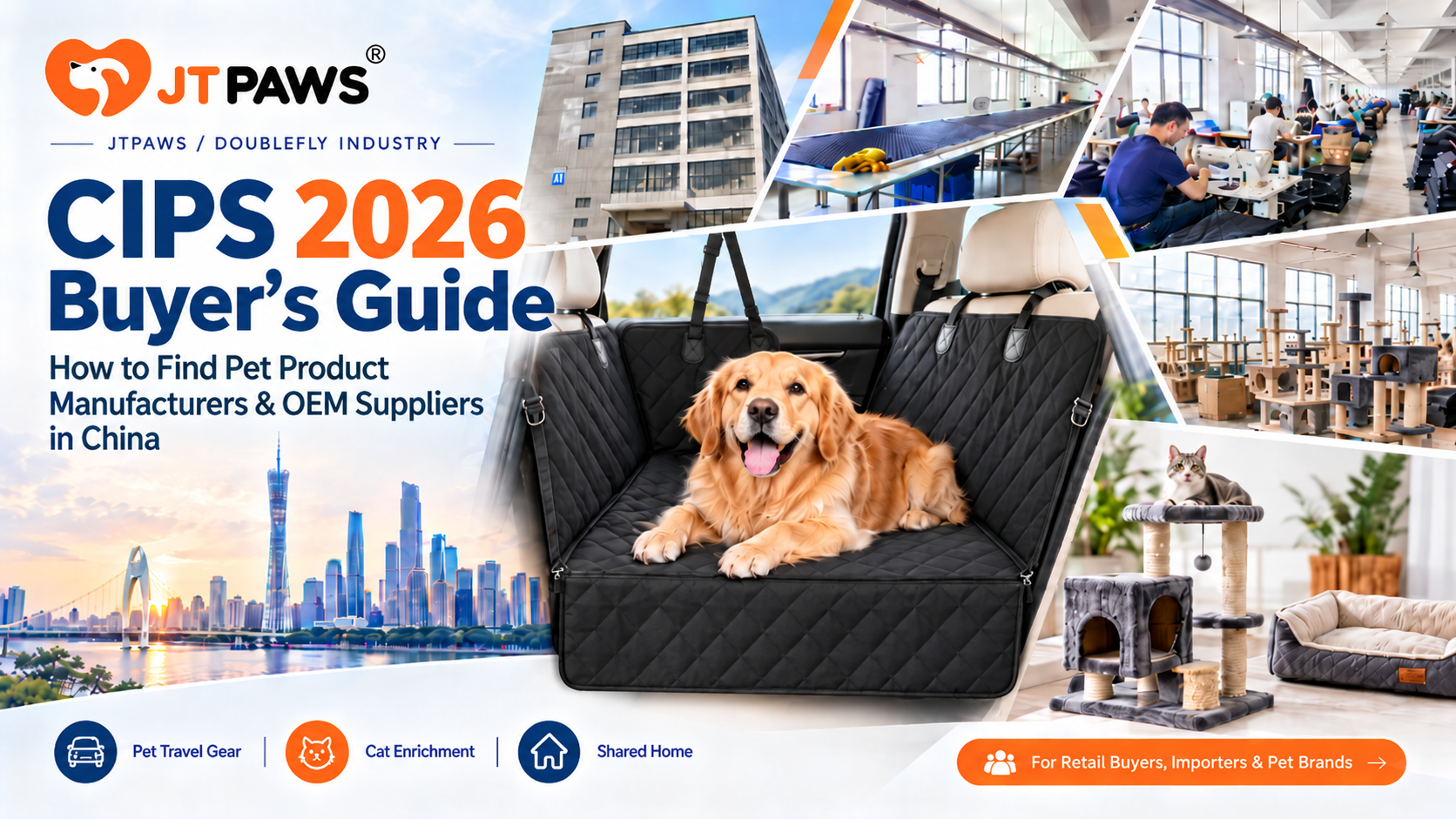
Visiting CIPS 2026 in Guangzhou? Learn how supermarket buyers, retailers, importers and pet brands can evaluate pet product manufacturers, compare OEM/ODM options and prepare a better sourcing brief.
A practical sourcing guide for supermarket buyers, retail chains, pet brands, importers and distributors visiting Guangzhou.
Planning a sourcing trip to CIPS 2026? The real value of the show is not simply seeing more pet products. It is leaving with a shortlist of suppliers you can compare on product fit, manufacturing capability, retail packaging, sample approval and the requirements of your target market. This guide explains how to prepare for the show, evaluate potential manufacturing partners and turn promising conversations into workable sourcing projects.
CIPS 2026 at a glance
The 30th China International Pet Show (CIPS 2026) is scheduled for 12–15 November 2026 at Area B of the China Import and Export Fair Complex in Guangzhou, China. Buyers should always reconfirm travel and show arrangements shortly before departure.
Official resources: CIPS visitor registration | CIPS buyer FAQs | CIPS APP
Buyer tip: use the organizer’s exhibitor search or app to build a first list, then arrange meetings with priority suppliers before the fair. A booth visit is much more productive when the manufacturer already understands your category, target market and approximate order structure.
1. Start with your retail category—not the exhibitor list
A long supplier list is not a purchasing strategy. First decide what kind of range you want to build and how customers will buy it: entry price, mid-range utility or more premium positioning. For retailers, this means assortment planning. For brands, it means choosing where to differentiate.
Pet travel gear and dog car seat covers
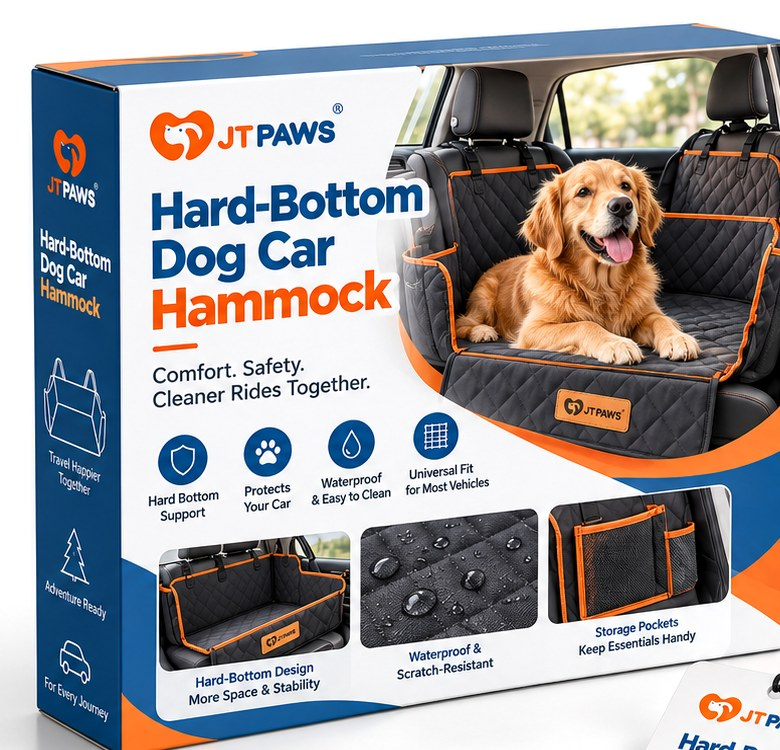
Dog car seat covers, hard-bottom dog car hammocks, pet carriers, backpacks and travel mats are highly relevant to buyers building a travel or outdoor collection. Beyond appearance, compare in-car fit, usable dimensions, support structure, strap attachment points, fabrics, cleanability and packed-carton dimensions. A hard-bottom back-seat extender should be assessed against the vehicle types and actual use scenarios in the buyer brief—not a generic claim of “universal fit.”
JTPAWS product example: Hard-Bottom Dog Car Hammock (JT4562)

Pet carriers and backpacks
For carriers, evaluate ventilation, entry size, internal usable space, zipper and mesh quality, carrying comfort, stability, washable components and how clearly the size guide can be explained to retail customers. A suitable carrier is not only functional; it must also be retail-ready in labeling, packaging and product communication.
Browse the JTPAWS Pet Carrier & Backpack collection
Cat toys, scratchers and enrichment products
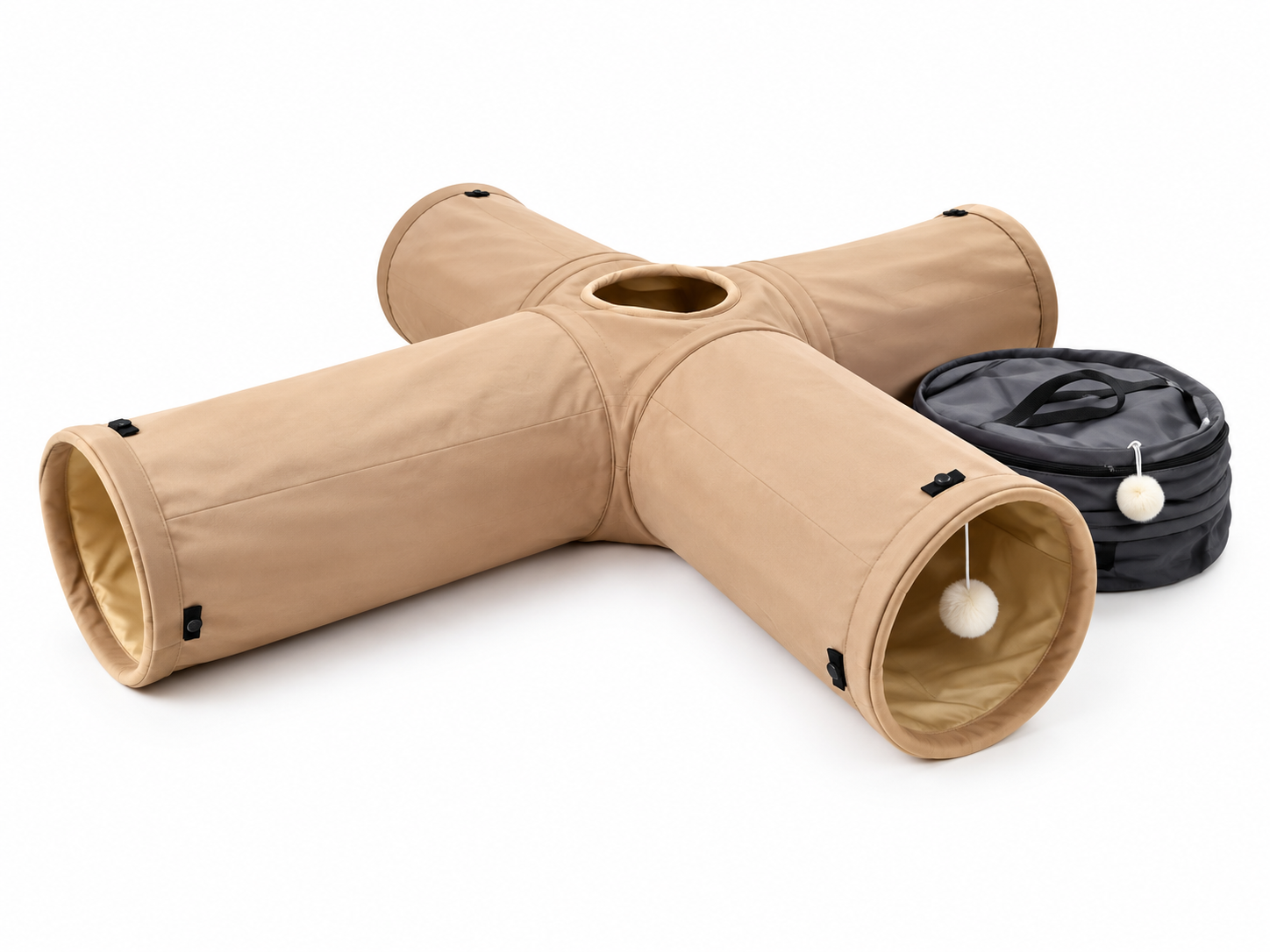
Cat tunnels, scratching boards, sisal posts and enrichment toys can help retailers develop accessible add-on categories. When comparing factory options, focus on assembly requirements, fabric durability, packaging format and how the assortment can be merchandised in store or online.
Browse JTPAWS Cat Toys and Scratchers
Human-pet furniture and shared-home products
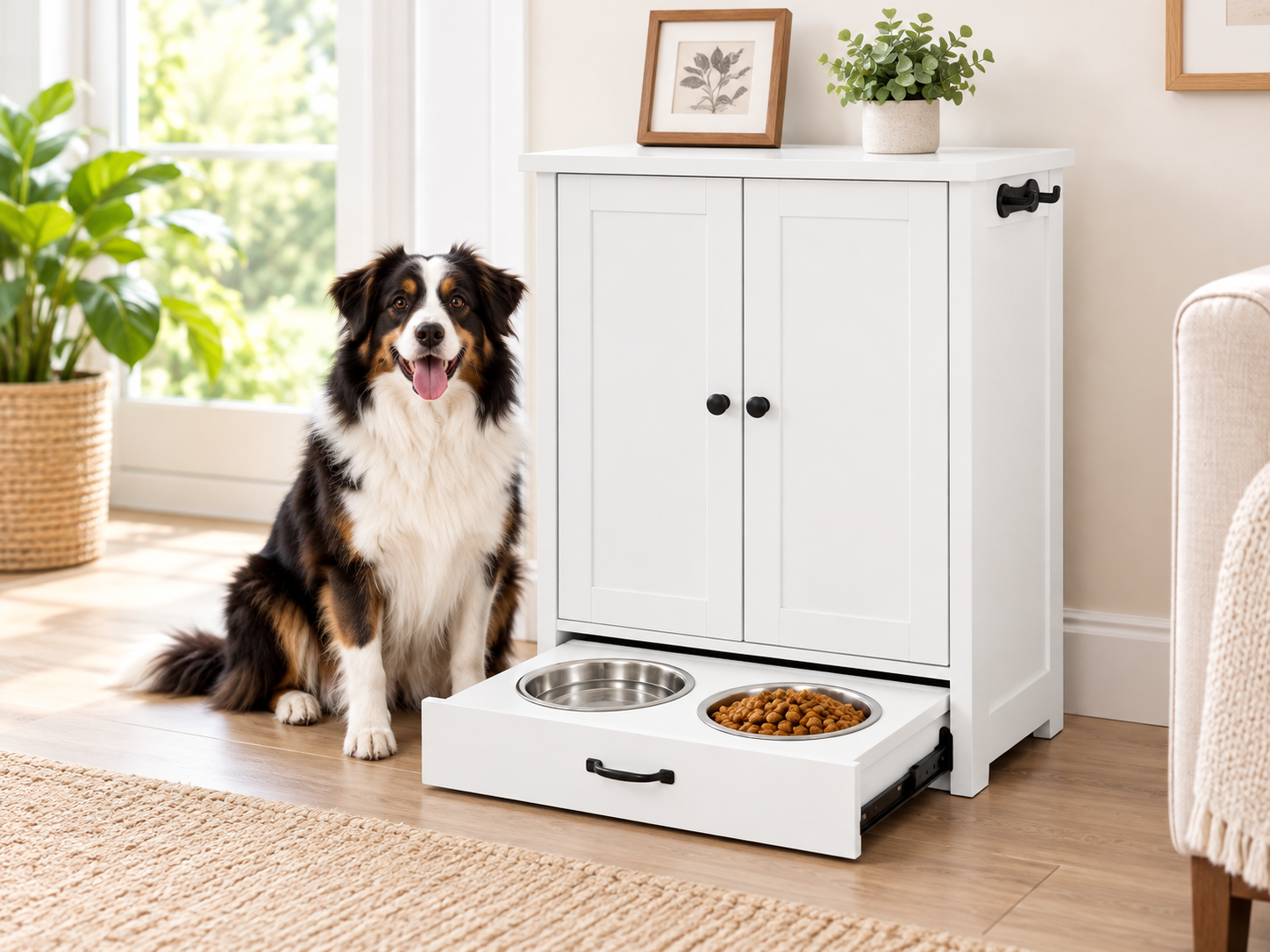
Pet furniture is increasingly considered alongside broader home-and-living assortments. A cat tree, feeder station or shared-home pet cabinet needs to be assessed for material quality, assembly logic, finish consistency, freight efficiency and its fit for the target retail channel.
Explore JTPAWS Human-Pet Furniture
2. What supermarket and retail-chain buyers should ask
Retail buying decisions need to work at the shelf, in the warehouse and after purchase. A competitive FOB price may be less valuable than a cleaner packaging format, more stable quality level or better repeat-order control. Buyers should compare suppliers on the full commercial package, not only on item price.
For example, a retailer could compare a compact cat tunnel with a retail hangtag against a bulkier furniture product that requires color-box packaging and more careful carton planning. Both may be suitable, but the decision criteria are different.
Relevant capability: JTPAWS Custom Packaging — options may include retail boxes, hangtags, labels, inserts and export carton coordination.
3. How pet brands can compare OEM, ODM and private-label options
Pet brands usually need a different conversation. The goal is to protect a distinct product position, agree a controlled sampling process and ensure that any customization is commercially realistic. A sourcing meeting should therefore clarify whether the project is best approached as private label, OEM or ODM.
· OEM: the buyer provides specifications, drawings or a reference sample, and the factory reviews feasibility, samples and bulk production details.
· ODM: the buyer and manufacturing partner discuss development of a product concept, with design scope and responsibilities clarified early.
· Private label: an existing product may be adapted with branding, selected colors, labels and packaging, subject to product and quantity constraints.
Consider a hard-bottom dog car hammock. A brand may review board configuration, fabric surface, reinforced strap positions, branding method and retail packaging. For a carrier project, the discussion may focus on ventilation, comfort, foldability and care instructions. The stronger the buyer brief, the more useful the supplier feedback will be.
Read more: JTPAWS OEM Manufacturing | Private Label Service
4. Seven checks before selecting a pet product manufacturer in China
1. Relevant production experience. Request examples in the exact category you are sourcing: sewn carriers and car hammocks, cat enrichment items or shared-home furniture.
2. A documented sample process. Confirm who approves construction, dimensions, materials, branding and the final golden sample.
3. Clear manufacturing responsibility. Ask which steps are manufactured in-house and whether any components or processes are sourced externally.
4. Material and performance verification. Discuss requested fabrics, coatings, hardware, filling, stability or abrasion requirements where relevant.
5. Quality inspection plan. Agree inspection timing, workmanship points, function checks, carton requirements and how defects are handled before shipment.
6. Market-specific compliance. Identify applicable EU, UK or US legal and retailer requirements by product and destination market.
7. Commercial and delivery clarity. Confirm the quoted specification, Incoterm, MOQ, sample charges, production lead time and what the quotation does or does not include.
A practical screening method is to score candidates against these seven items and then compare equivalent samples. This reduces the risk of choosing a supplier based only on the most attractive first quotation.
5. What JTPAWS and Doublefly Industry can bring to the discussion
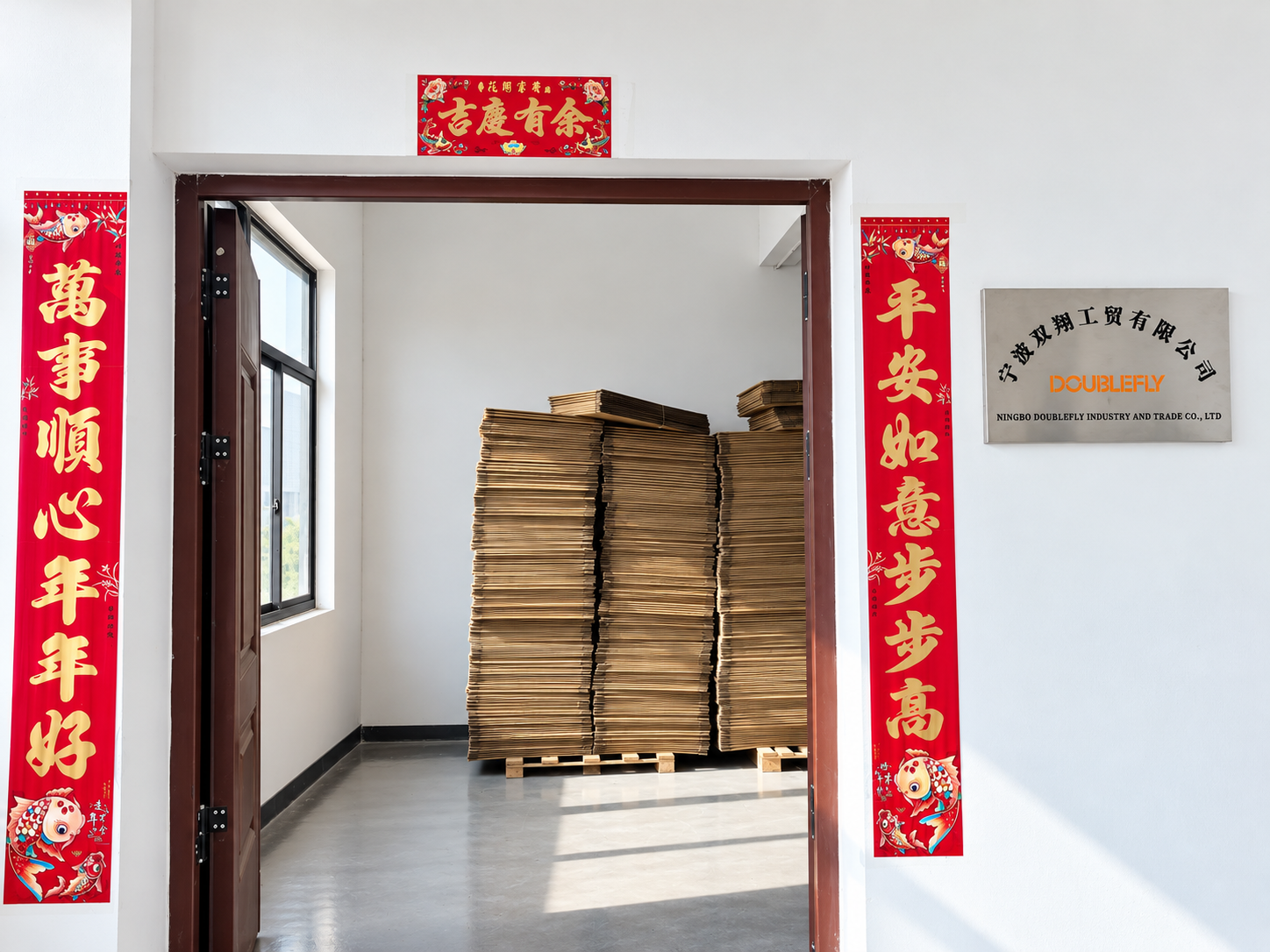
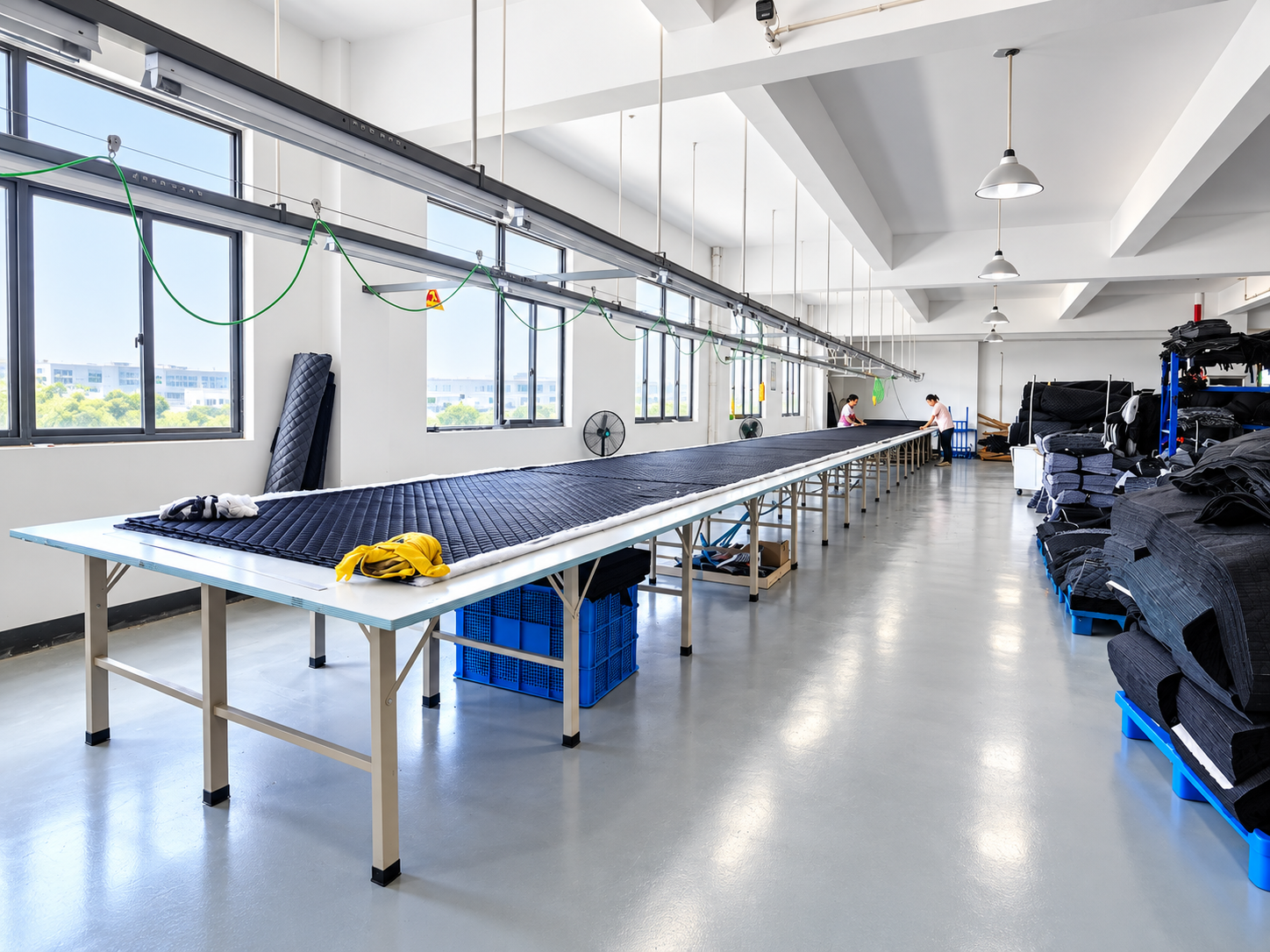
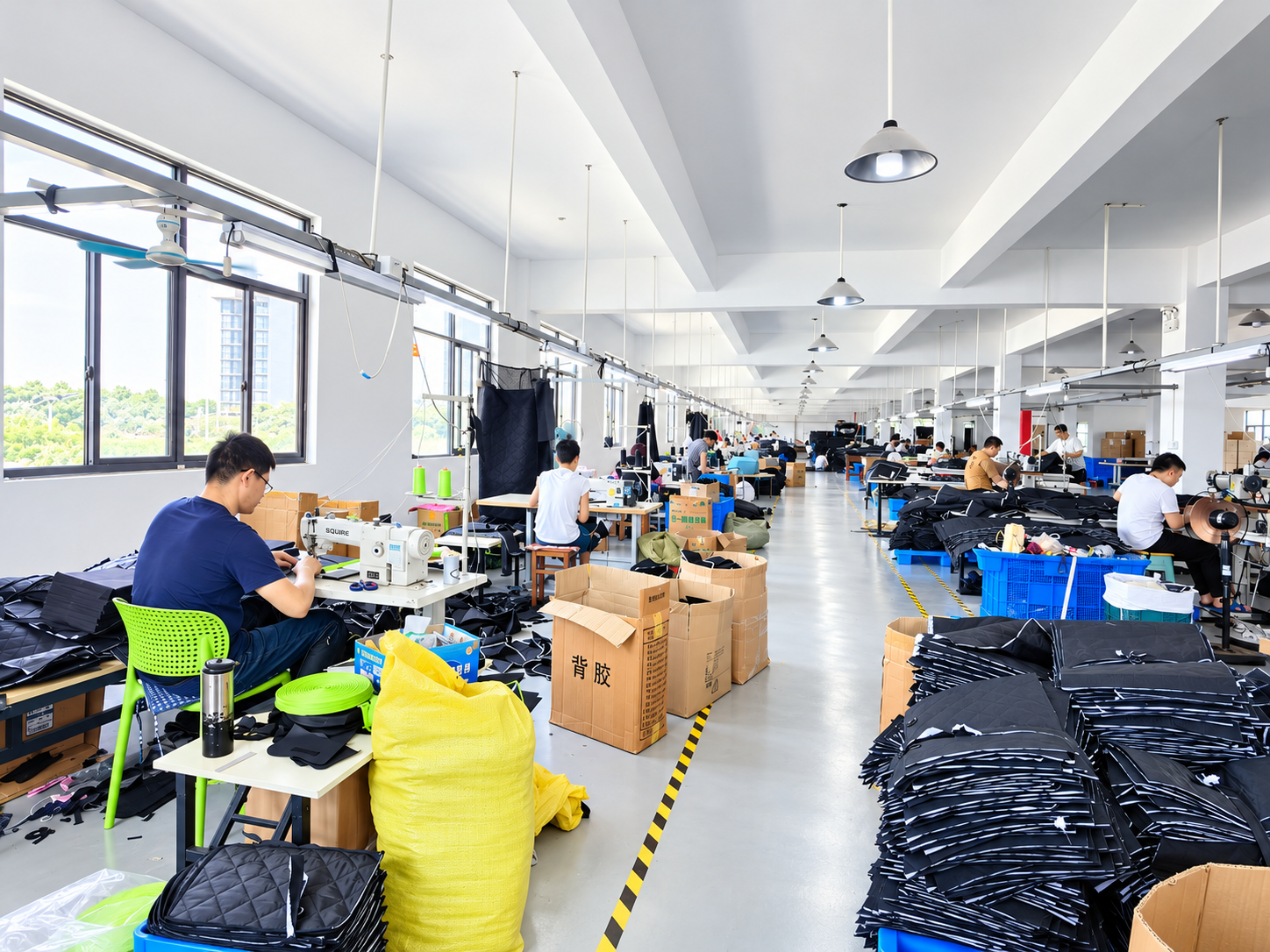
JTPAWS is the pet-product brand of Doublefly Industry, a manufacturing business established in 2019. Its product scope includes pet travel gear, shared-home pet products, cat enrichment items and OEM/ODM support for B2B buyers. For sewn pet travel projects, buyers can discuss product construction, material selection, sample adjustment and OEM or private-label execution. For retailers, the conversation can also include labeling, retail packaging, master cartons and shipment planning.
These capabilities are most useful when they are connected to a buyer’s brief. A supermarket group may need a coordinated pet travel range at several retail price points. A brand may need only one hero product, but with stronger construction, clearer branding and controlled packaging. In both cases, manufacturing discussions are more productive when product direction, target market and order logic are clearly defined from the start.
Learn about the company: Doublefly Industry manufacturing resources | OEM & ODM capabilities


6. Prepare a stronger sourcing meeting at CIPS 2026
You can make a 20-minute meeting far more productive by sharing a one-page sourcing brief in advance. Bring or send the following:
· Buyer type and sales channel: supermarket, specialist retailer, importer, distributor or pet brand.
· Destination market: United States, European Union, United Kingdom or another defined market.
· Product shortlist, reference images and must-have features.
· Target retail positioning and, if available, a purchasing target or acceptable cost range.
· Estimated order quantities by SKU or color and expected launch window.
· Logo, packaging, labeling, barcode and relevant retailer requirements.
· Sample, testing, inspection and shipment expectations.
At the show, compare suppliers using the same questions. Record the next action immediately: request a quotation based on written specifications, sample planning, material confirmation, packaging review or a post-show video call.
7. Meet JTPAWS during CIPS 2026
JTPAWS plans to attend CIPS 2026 in Guangzhou and welcomes pre-arranged conversations with international retailers, supermarket buyers, importers, distributors and pet brands. If you are sourcing dog car seat covers, hard-bottom car hammocks, pet carriers, cat enrichment products, pet furniture or private-label pet products, share your preferred categories and requirements in advance so the team can prepare relevant options for review.
For supermarkets, retail chains and distributors
Request a curated product range rather than a generic catalog. Tell us your sales channel, target price points, planned assortment and packaging expectations so the team can recommend the most relevant products for your buying program.
CTA: Request a Retail Product Range
For pet brands and private-label buyers
Send a product brief or reference photo, target market, estimated volume and desired customization. JTPAWS can help assess whether an existing product, an OEM adjustment or a fuller ODM route is the most suitable starting point.
CTA: Discuss an OEM/ODM Project
Frequently asked questions about CIPS 2026 and sourcing
When and where is CIPS 2026?
The organizer lists 12–15 November 2026 at Area B of the China Import and Export Fair Complex in Guangzhou. Recheck official visitor information shortly before travel.
Where can I register to visit CIPS 2026?
Use the official CIPS visitor registration page. The organizer also provides buyer FAQs, badge and invitation information.
Can I find OEM and private-label pet product suppliers at CIPS?
CIPS is a relevant meeting point for international pet-product sourcing, but individual capabilities vary by exhibitor. Buyers should compare suppliers by product category, sampling process, manufacturing fit and commercial clarity.
What should a retail buyer request first?
Ask for a shortlist of appropriate SKUs with product images, specifications, MOQ by variant, indicative packing information and proposed packaging formats.
What is a typical MOQ for customized pet products?
There is no reliable single MOQ across all products. It depends on material purchasing, tooling, color, printing, packaging and the total project structure.
How can I reduce risk before placing an OEM order?
Approve a physical sample and written specification, confirm target-market requirements, agree inspection checkpoints and keep packaging and shipping requirements in writing.
Can I meet JTPAWS if I do not have a final design?
Yes. Send the intended product category, sales channel, target market, approximate quantity and any reference products. This is usually enough to start a productive first discussion.
Make your CIPS visit count
The most productive sourcing trips begin with clear product priorities and end with documented next steps. Whether you manage a supermarket pet aisle or a growing private-label pet brand, compare suppliers on the complete product program: real manufacturing fit, retail presentation, sample approval, inspection discipline and the economics of repeat orders—not just a unit price.