
Custom Pet Product Packaging: Design, Materials & Strategy
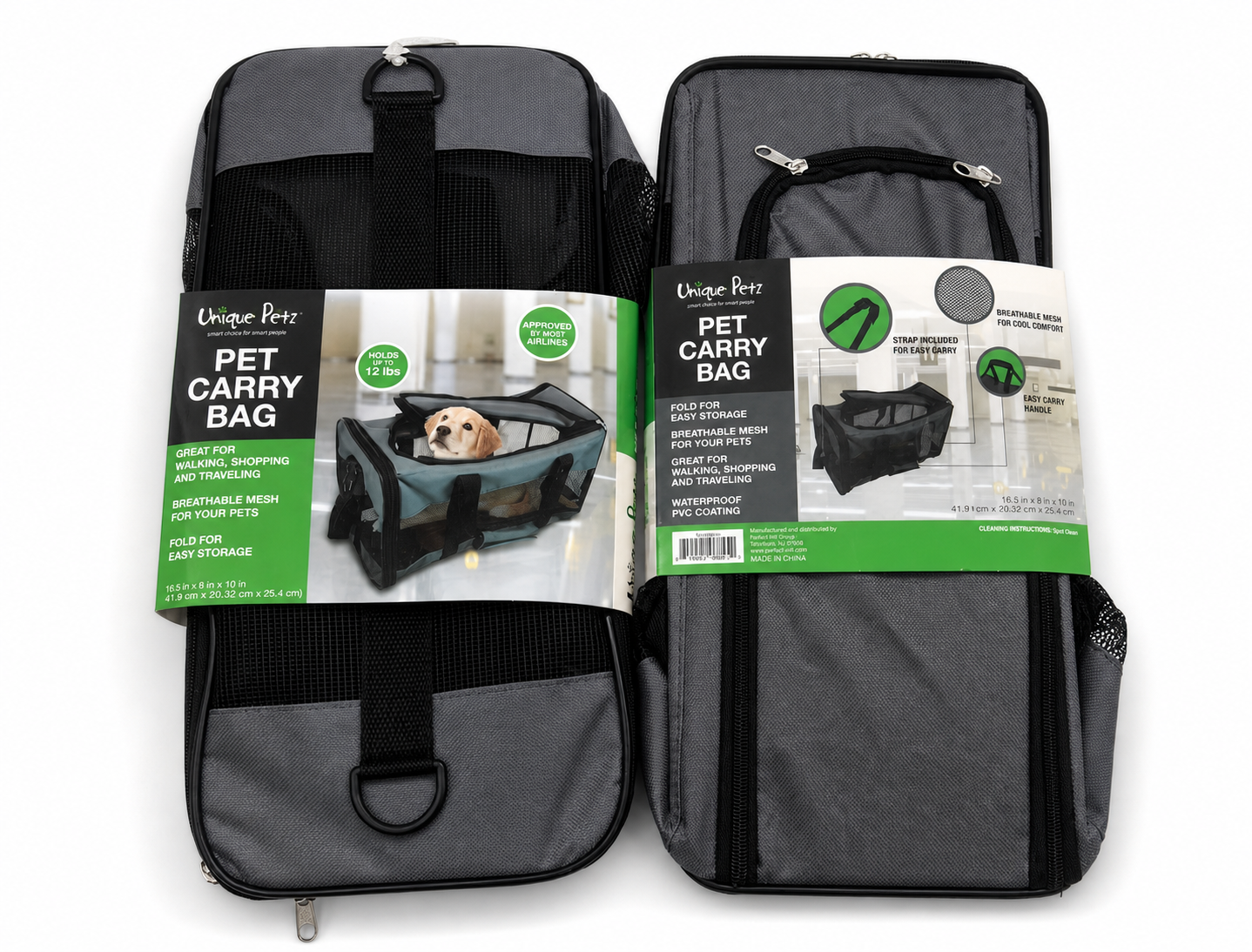
Explore custom packaging solutions for pet products including design principles, material choices, sustainability options and retail-ready packaging strategies for B2B buyers.
Why Custom Packaging Matters for Pet Products
In the competitive pet product market, packaging is often the first interaction between your brand and the customer. Custom packaging serves multiple functions: protecting the product during shipping, communicating brand values, providing essential information and creating an appealing shelf presence.
Packaging Design Principles for Pet Products
Effective pet product packaging should address these key areas:
- Visual Appeal: Clear product imagery, attractive color schemes and professional typography that stands out on shelf or online.
- Information Clarity: Product name, key features, size/specifications, material composition and usage instructions should be immediately readable.
- Brand Consistency: Packaging should reinforce your brand identity through consistent use of logos, colors, fonts and design language.
- Target Audience Alignment: Design style should match your customer demographic whether premium, playful, eco-conscious or value-oriented.
- Regulatory Compliance: Include required safety warnings, material disclosures, country of origin and barcode placement.
Packaging Material Options
Common packaging materials for pet products include:
- Corrugated Cardboard: Standard for most pet products; recyclable, printable and cost-effective.
- Kraft Paper: Natural, eco-friendly appearance popular for organic and sustainable pet brands.
- Window Boxes: Allow customers to see the product while maintaining structural protection.
- Poly Bags with Header Cards: Economical option for smaller accessories and toys.
- Rigid Gift Boxes: Premium presentation for high-value items and gift sets.
- Shrink Wrap & Blister Packs: Tamper-evident protection for retail environments.
Sustainable Packaging Trends
Eco-conscious consumers increasingly prefer sustainable packaging:
- Recycled and recyclable cardboard materials
- Soy-based or water-based inks instead of petroleum-based
- Minimalist design reducing material usage
- Biodegradable or compostable inner packaging
- Reusable packaging concepts (storage bags, carrying cases)
- Clear recycling instructions on packaging
E-Commerce vs Retail Packaging
Packaging requirements differ by sales channel:
For E-Commerce:
- Compact design to minimize shipping volume and cost
- Strong internal protection against transit damage
- Easy-open design for positive unboxing experience
- Product photography optimized for online listing images
For Physical Retail:
- Hanging holes or peg hooks for display fixtures
- Window or open-face design for product visibility
- Shelf-ready packaging with clear front-facing branding
- Barcode and pricing area accessible for store staff
Custom Packaging Process
- Brief & Requirements: Define product dimensions, quantity, budget and design direction.
- Structural Design: Create packaging dieline and 3D mockup for fit and function testing.
- Graphic Design: Develop artwork including branding, product info and regulatory elements.
- Print Proof: Review color accuracy, text content and layout before printing.
- Sample Production: Physical sample for final approval before mass production.
- Integration with Product: Coordinate packaging delivery with product production schedule.
Cost Factors
Custom packaging costs depend on:
- Material type and grade
- Print complexity (number of colors, special finishes)
- Order quantity (higher volumes reduce unit cost)
- Structural complexity (die-cut shapes, windows, inserts)
- Special treatments (embossing, foil stamping, UV coating)
Conclusion
Custom packaging is a strategic investment that protects your product, communicates your brand and influences purchasing decisions. Working with an experienced manufacturer who understands both product and packaging ensures a cohesive result that supports your business goals.
