
How to Choose a Pet Carrier for Retail Business
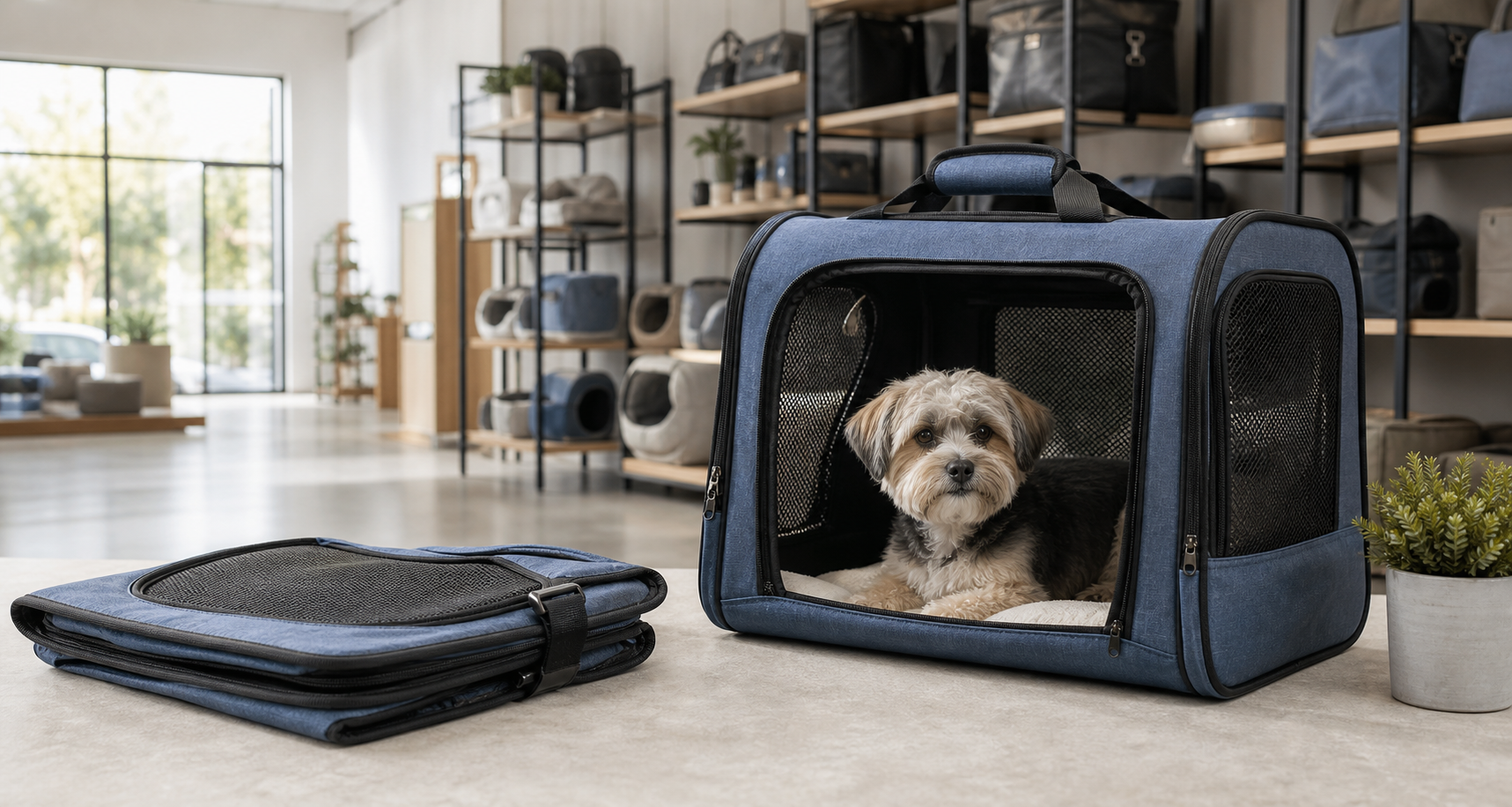
Learn how retailers can choose pet carriers by use case, materials, sizing, packaging and OEM potential before placing a wholesale order.
Choosing a pet carrier for retail is different from choosing one for personal use. A retail buyer must consider more than appearance and unit price. The product needs to solve a clear customer problem, fit the intended sales channel, arrive in suitable packaging and support a reliable product range.
For pet brands, wholesalers, retailers and e-commerce sellers, the right supplier should also be able to discuss samples, private label options, packaging and repeat orders. This guide explains the main points to review before adding a pet carrier to your assortment.
1. Start with the customer and use case
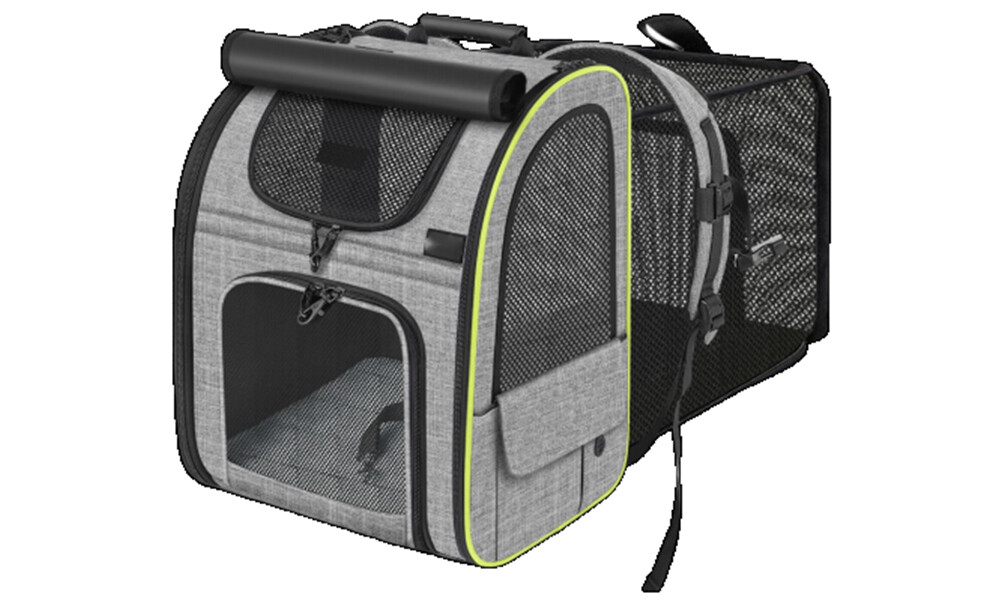
“Pet carrier” covers several different products. A soft carrier may be suitable for short trips or everyday transport. A backpack-style carrier may appeal to urban customers who walk, cycle or use public transport. A trolley carrier can target shoppers looking for easier movement through airports, stations or larger retail spaces. A travel crate may suit customers who need a foldable solution for the car, home or selected travel situations.
Before choosing a product, define the customer and the use case:
· Is the product for daily commuting, road trips, outdoor use or home storage?
· Is the target customer a small-dog owner, cat owner or multi-pet household?
· Will the product be sold through a pet shop, supermarket, marketplace or brand website?
· Does the range need one core model or several sizes and functions?
A clear use case makes the product easier to present online and easier for store staff to recommend.
2. Compare comfort, ventilation and access
Customers expect a carrier to be practical for both the pet and the owner. Check the usable interior space, ventilation panels, opening design, handle position and shoulder or trolley support. Mesh should allow airflow while remaining securely attached. Openings should make it reasonably easy to place and remove the pet without creating unnecessary stress.
For a retail product, these details should be visible in the product photos and explained in simple language. Avoid making claims about pet weight, airline acceptance or safety standards unless the specifications and supporting documents have been confirmed for that exact model.
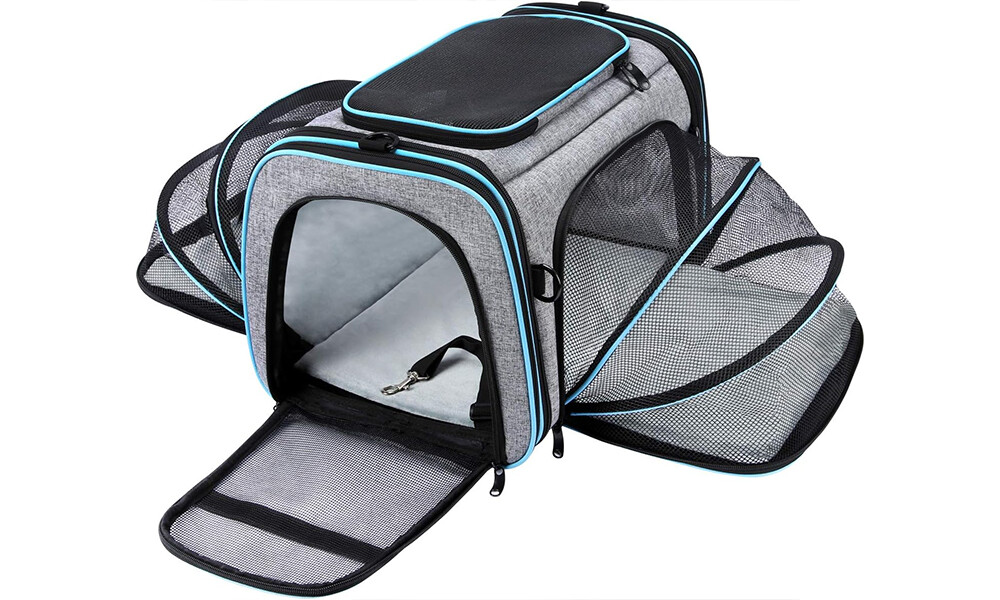
JTPAWS product examples cover different travel needs. The 2-in-1 Convertible Pet Travel Bag can be positioned around flexible carrying and rolling use. The Foldable Soft Pet Travel Crate is more relevant to buyers looking for a space-saving crate format. These products should not be presented as interchangeable; each one should have a clear customer scenario.
3. Review materials and construction
Material selection affects comfort, durability, cleaning, appearance and landed cost. When reviewing a sample, inspect:
· Fabric weight and surface finish
· Stitching and edge binding
· Zipper quality and smooth operation
· Mesh attachment and ventilation areas
· Frame, board or support structure
· Handles, straps, wheels and connection points
· Interior padding and removable components
Ask the supplier which parts are standard and which parts can be customized. Depending on the product, a retail program may discuss fabric color, logo application, labels, packaging and selected functional changes.
4. Make sizing easy for the end customer
Sizing is one of the most important factors affecting returns. Product information should distinguish external dimensions from usable internal space and should explain how the buyer should measure the pet. If a carrier is designed for a specific size range, the recommendation should be based on confirmed product data rather than a general assumption.
For a product range, consider using a simple comparison table with:
· Product dimensions
· Recommended pet size or weight, if confirmed
· Product weight
· Folded or packed dimensions
· Suitable use case
· Available colors
Clear sizing information helps retailers reduce customer uncertainty and makes the product page more useful for search visitors.
5. Check packaging and retail presentation
Packaging influences shelf display, warehouse storage, shipping cost and the customer’s first impression. Ask whether the product can use a color box, hangtag, logo label, polybag, insert or export carton suitable for the target channel.
For e-commerce, packaging should protect the carrier while keeping carton dimensions practical. For supermarkets and retail chains, the product may also need clear barcode placement, product information and easy identification on the shelf. Discuss packaging during sampling instead of treating it as a final production detail.
6. Evaluate OEM and private label potential
A good retail carrier does not have to be completely new. It does need to fit the brand’s customer, price position and product story. Buyers should ask whether the supplier can support:
· Logo and label application
· Color or material options
· Size or feature adjustments
· Private label packaging
· Coordinated products in the same travel collection
· Sample approval before mass production
The Pet Travel Gear category can help buyers compare carriers with related products such as car seat covers, booster seats and travel accessories. A collection often gives a retailer more selling opportunities than one isolated SKU.
7. Consider related products for a stronger assortment
Retail buyers should evaluate whether the carrier can sit within a wider product line. A carrier can be paired with a car seat cover, travel crate, harness or outdoor accessory. For customers who travel by car, the Large Memory Foam Dog Car Seat may serve a different use case from a carrier while still belonging to the same pet travel collection.
The goal is not to add every product. It is to create a clear assortment where each item has a distinct role and the customer can understand the difference.
8. Questions to ask a pet carrier supplier
Before placing a wholesale or OEM order, ask:
1. Which materials and components are used in the current sample?
2. What dimensions, packed size and product weight are confirmed?
3. Which customization options are available for this model?
4. Can the supplier provide a sample for approval before production?
5. What packaging options are suitable for retail or e-commerce?
6. Which inspection points will be checked before shipment?
7. Which MOQ, sample timing and production timing apply to this product?
MOQ, timing and testing requirements vary by product and customization scope. They should be confirmed in the project quotation rather than assumed from a general website statement.
Conclusion
The best pet carrier for a retail business is the one with a clear use case, reliable construction, understandable sizing and packaging that fits the sales channel. It should also give the buyer a practical path from sample approval to private label production and repeat orders.
If you are building a pet travel collection, review the Pet Carrier & Backpack range and send JTPAWS your target market, product references, estimated quantity and packaging requirements through Request a Quote.
Related Products & Categories
Explore Categories
Recommended Products
Interested in custom manufacturing?