Private Label Pet Products: Building Your Own Brand
A comprehensive overview of private label pet product services, covering branding options, customization levels, minimum order quantities and strategies for building a successful pet brand.
Private label allows a retailer, distributor or e-commerce seller to offer pet products under its own brand. The strongest private-label programs combine a suitable product, clear positioning, reliable quality and packaging that works for the target sales channel.
What private label includes
A private-label project may include a logo, product color, material choice, packaging, hangtag, label, size range or coordinated collection. The exact scope depends on the product and the quantity required.
Choose the right level of customization
· Basic branding: logo, label or hangtag on an existing product.
· Retail customization: colors, packaging and selected feature changes.
· Product development: new structure, materials, dimensions or coordinated range.
MOQ and commercial planning
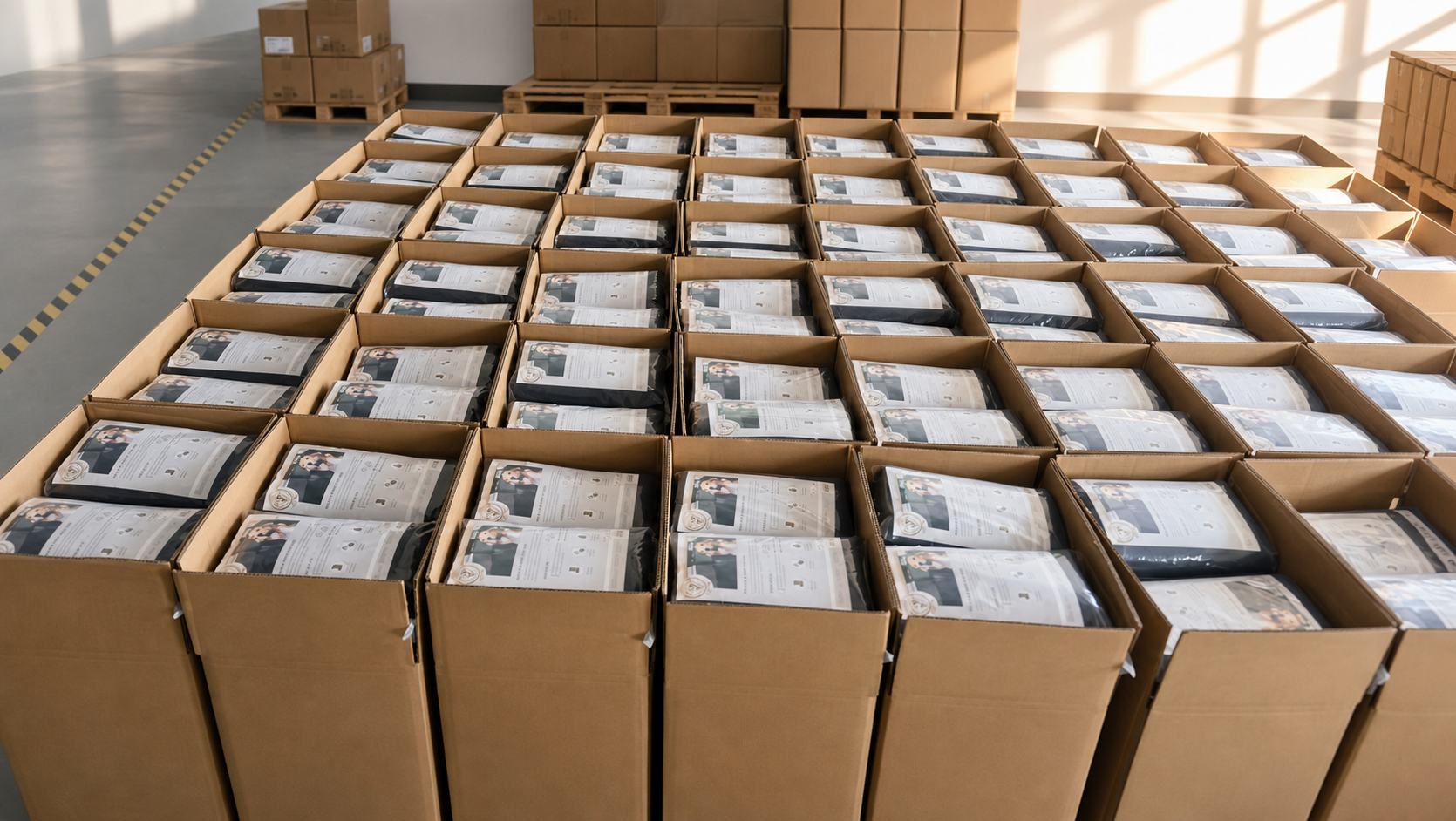
MOQ depends on the product category, customization level, materials and packaging. Buyers should ask for a product-specific quotation rather than relying on a general MOQ statement. It is also useful to compare the product cost, packaging cost, carton dimensions and expected order frequency.
Build a clear brand range
Start with a small group of products that share a customer and use case. For example, a travel range may combine a carrier, car seat cover and travel accessory. Coordinated colors and packaging can make the collection easier to present online and in stores.
Quality considerations
Confirm the material, dimensions, workmanship, packaging and inspection requirements before approving the production sample. If your market requires specific testing or documentation, raise the requirement during sampling.
Getting started
Prepare your logo files, target market, product references, estimated quantity, packaging preferences and delivery plan. A complete brief helps the supplier recommend the most realistic private-label route.